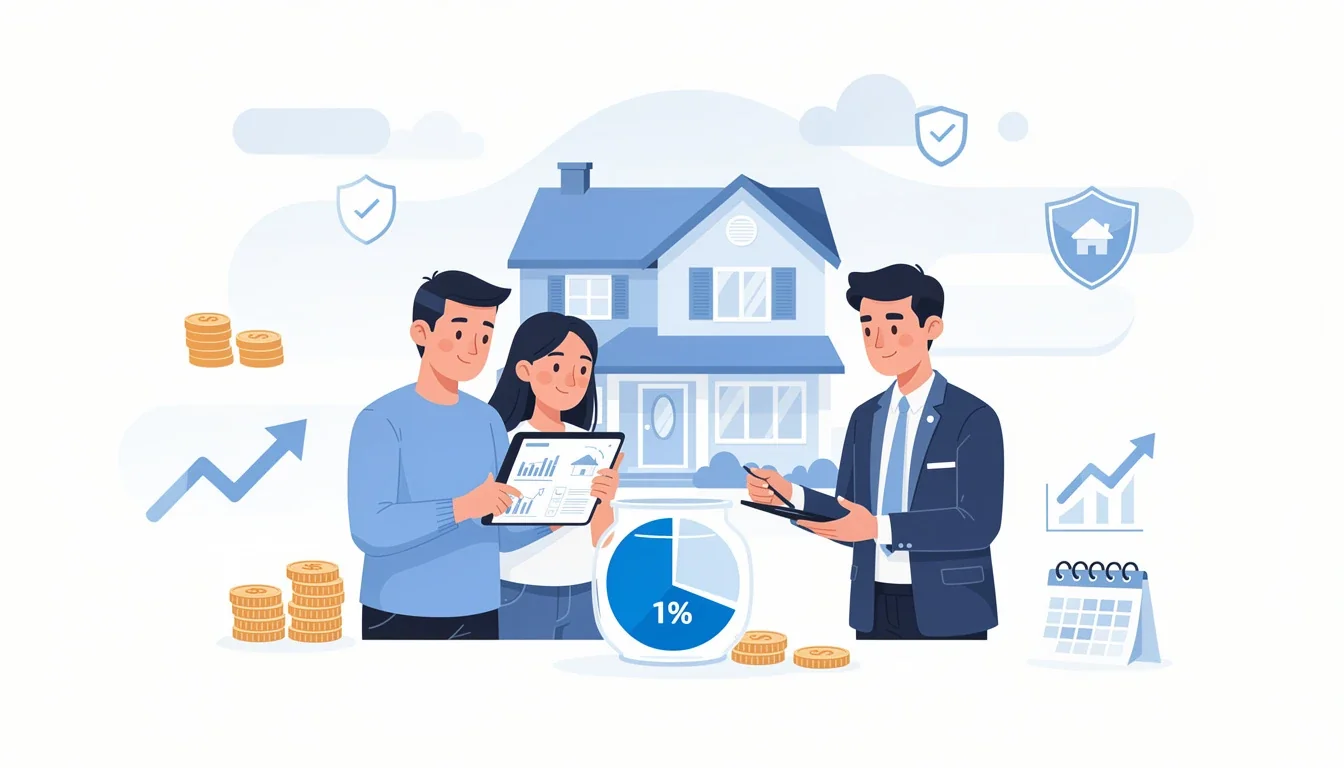
Buying a home can feel like an impossible dream, especially when you look at the size of most required down payments. But what if you could get the keys to your own place for just 1% down? At hudsonsullivan, we’re passionate about helping hopeful homeowners find their way through the maze of mortgage options. The 1% down mortgage program is capturing attention for its ability to lower barriers and make homeownership more accessible. Let’s explore what this program is all about, how it works, who it’s for, and whether it might be the right fit for you or your family.
What Is a 1% Down Mortgage Program?

A 1% down mortgage program is exactly what it sounds like: a home loan that lets you buy a house by putting down just 1% of the purchase price as your initial investment. Traditionally, lenders have asked buyers for at least 3% to 5% down—and often much more. That means on a $300,000 home, you’d usually need at least $9,000 to $15,000 up front. With a 1% down program, your initial out-of-pocket cost drops to just $3,000.
This might sound too good to be true, so it’s natural to wonder how it works. Typically, lenders partner with programs or offer internal incentives where they contribute an additional 2% toward your down payment. That way, you meet the 3% minimum requirement for most conventional loans, but only 1% actually comes from your own savings.
Pro tip: Even with a low down payment, you’ll still need to cover closing costs and have money set aside for moving and home repairs—so budget for more than just the down payment!
Who Can Qualify for a 1% Down Program?
While the idea of a 1% down mortgage can be exciting, these programs aren’t open to everyone. Lenders want to make sure borrowers are financially stable and able to handle the responsibilities of homeownership, so there are some key eligibility criteria.
Typically, 1% down mortgage programs are aimed at first-time homebuyers or those who haven’t owned a home in the past three years. You’ll need to meet minimum credit score requirements—usually at least 620—and have a steady income with a debt-to-income ratio that fits the lender’s guidelines. There may also be income limits, meaning your household earnings can’t exceed a certain percentage of the area’s median income.
Lenders will also look at the type of property you’re buying. Most 1% down programs are for primary residences only, not for vacation homes or investment properties. Condos, single-family homes, and sometimes townhouses usually qualify.
Pro tip: Get pre-approved before house hunting. It’ll give you a clear sense of your budget and show sellers you’re a serious buyer.
Pros and Cons of the 1% Down Program
It’s easy to see the appeal of a 1% down mortgage, but like any financial product, it comes with its pros and cons. Understanding both sides can help you make an informed decision.
On the plus side, the program dramatically lowers the cash barrier to entry. This can help you get into a home sooner and start building equity instead of paying rent. If you qualify, you might also be able to take advantage of competitive interest rates and avoid the cost and delays of saving for a larger down payment.
However, putting less down means you’re borrowing more, which can result in higher monthly payments. You’ll also likely need to pay private mortgage insurance (PMI), which adds to your monthly costs until you build up enough equity. And while 1% down is fantastic, you’ll still need good credit and steady employment to be approved.
Pro tip: Calculate your total monthly payment—including PMI, property taxes, and homeowners insurance—to make sure your new home fits comfortably within your budget.
How the Application Process Works
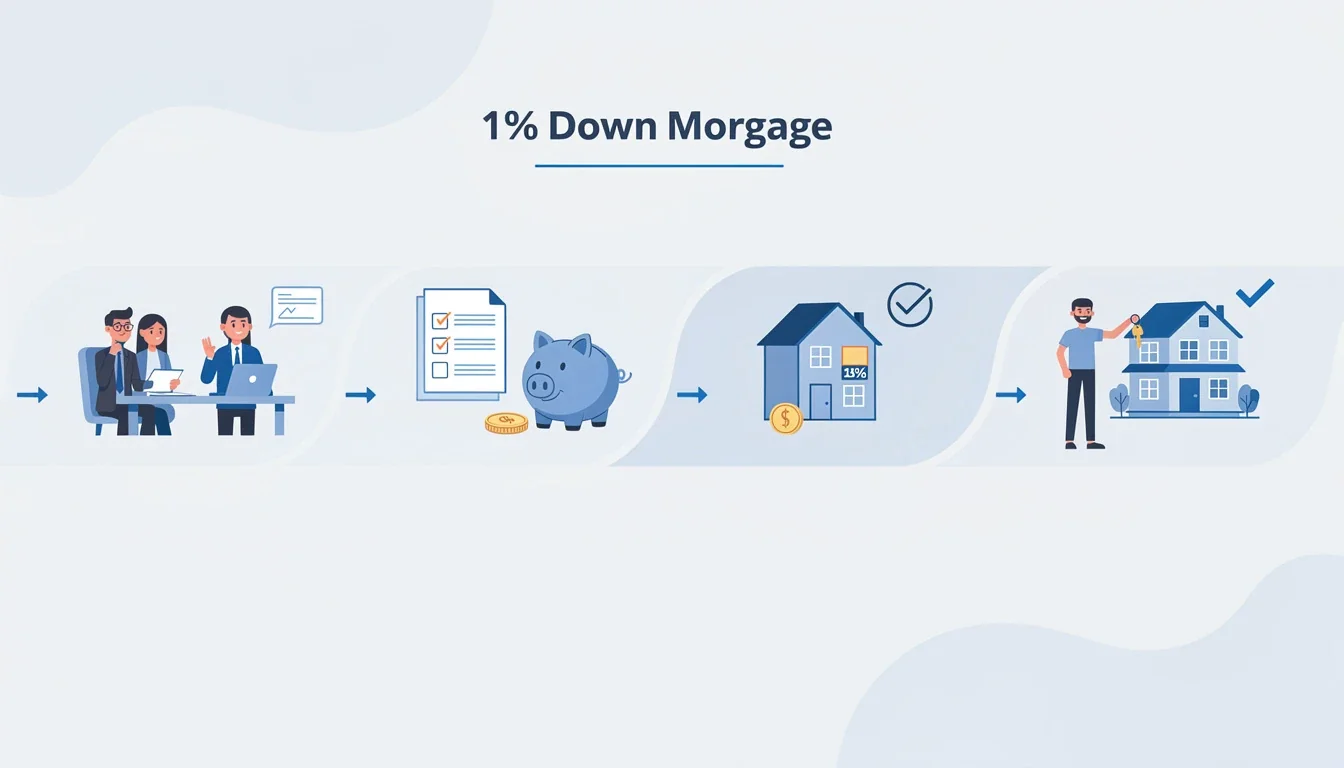
Applying for a 1% down mortgage isn’t all that different from a standard loan, but there are a few extra steps to keep in mind. The process generally starts with a conversation with a lender who offers the program. They’ll walk you through eligibility, documentation, and expectations.
You’ll provide proof of income, employment, and assets, along with credit information. The lender will verify your financials, confirm you meet all the program guidelines, and determine how much you can borrow. Once you’re pre-approved, you’re ready to start shopping for a home within your price range.
After you find a property and make an offer, the lender will order an appraisal and finalize the underwriting. When everything checks out, you’ll get your closing documents and prepare for your new life as a homeowner.
Pro tip: Stay organized during the application process. Keep digital copies of your pay stubs, bank statements, and tax returns handy to speed things along.
Is a 1% Down Mortgage Right for You?
The 1% down mortgage program is a game changer for many buyers, but it’s not the right fit for everyone. If you’ve got excellent credit, a stable income, and haven’t been able to save for a big down payment, this program can help you finally achieve your dream of homeownership.
On the other hand, if you prefer lower monthly payments or want to avoid paying PMI, saving up for a larger down payment might make more sense. Every buyer’s situation is unique, and it’s important to weigh the long-term costs and benefits.
Talking to a knowledgeable mortgage advisor can help you compare your options. They’ll help you run the numbers and find out if the 1% down program—or another low-down-payment option—fits your financial goals.
Pro tip: Ask your lender to show you a side-by-side comparison of total costs for 1%, 3%, and 5% down payment scenarios. You might be surprised at what works best for you.
Tips for Success with Low Down Payments
If you decide to move forward with a 1% down mortgage, a little planning goes a long way. Start by making sure your credit is in the best shape possible—pay down debts, avoid new credit inquiries, and double-check your credit report for errors. The stronger your credit, the better your loan terms.
It’s also smart to build up a small emergency fund before buying. While you won’t need as much cash up front, homeownership comes with its own surprises—appliances break, roofs leak, and life happens. Having a cushion will make the transition smoother.
Finally, remember that buying a home isn’t just a financial decision—it’s a lifestyle one. Think about your future plans, job stability, and how long you plan to stay in the home. The 1% down program can open doors, but only you can decide if it’s the right door for you.
Pro tip: Don’t rush the process. Take your time to find a home you love, and make sure you’re comfortable with the payments before signing on the dotted line.
Related Articles
Conclusion
The 1% down mortgage program is making homeownership a reality for more people than ever before. By lowering the upfront cash requirement, it opens the door for families and individuals who might otherwise be stuck renting for years. Still, every mortgage option comes with its own set of trade-offs, so it’s important to do your homework, run the numbers, and talk to professionals who have your best interests at heart.
At hudsonsullivan, we believe your dream of owning a home should be within reach. If you think a 1% down mortgage could be the key, take the next step and explore your options. You might be closer to homeownership than you ever imagined.