For small business owners in Texas, finding the right source of funding can be both exciting and overwhelming. You might have a great idea, a thriving side hustle, or a growing company, but sometimes the next step requires an infusion of cash. If you’re a homeowner, your house could be the key to unlocking the capital you need. Home equity loans are becoming a popular solution for entrepreneurs looking to invest in their businesses without jumping through the hoops of traditional business loans. Let’s dive into how home equity loans work, why they might be a perfect fit for Texas business owners, and what you should consider before tapping into your home’s value.
Understanding Home Equity Loans

A home equity loan lets you borrow against the value you’ve built up in your home, often at lower interest rates than unsecured loans. Essentially, your home acts as collateral, giving lenders a sense of security—and giving you access to cash that might not be available through other means.
In Texas, home equity lending comes with some unique rules and protections for consumers. Unlike in some other states, you can typically borrow up to 80% of your home's appraised value, minus what you still owe on your mortgage. This is called your “available equity.” The loan is paid out in a lump sum, with a fixed interest rate and set repayment schedule, making budgeting a bit easier.
Pro tip: Before you start the application process, get a sense of your home’s current market value and check your mortgage balance. This will help you estimate how much you can actually borrow.
Why Small Business Owners Turn to Home Equity
Traditional business loans can be tough to secure, especially for new or small businesses that may not have years of financial records or a high credit score. Home equity loans, on the other hand, are based on your personal assets and credit history, not just your business’s track record.
For Texas entrepreneurs, this can be a game changer. Whether you need cash to launch a new venture, expand your operations, buy inventory, or hire staff, a home equity loan can provide the flexibility and speed that business owners crave. And, since the funds are yours to use as you wish, you’re not limited by the restrictions or requirements that come with some business-specific loans.
It’s also worth noting that the interest rates on home equity loans are generally lower than those on credit cards or unsecured business loans. This means you might pay less in the long run, leaving more profit for your business.
Pro tip: Use the funds strategically. A home equity loan is a powerful tool, but it’s still debt. Invest it in areas of your business that are most likely to generate a return.
The Texas Difference: Unique Local Rules
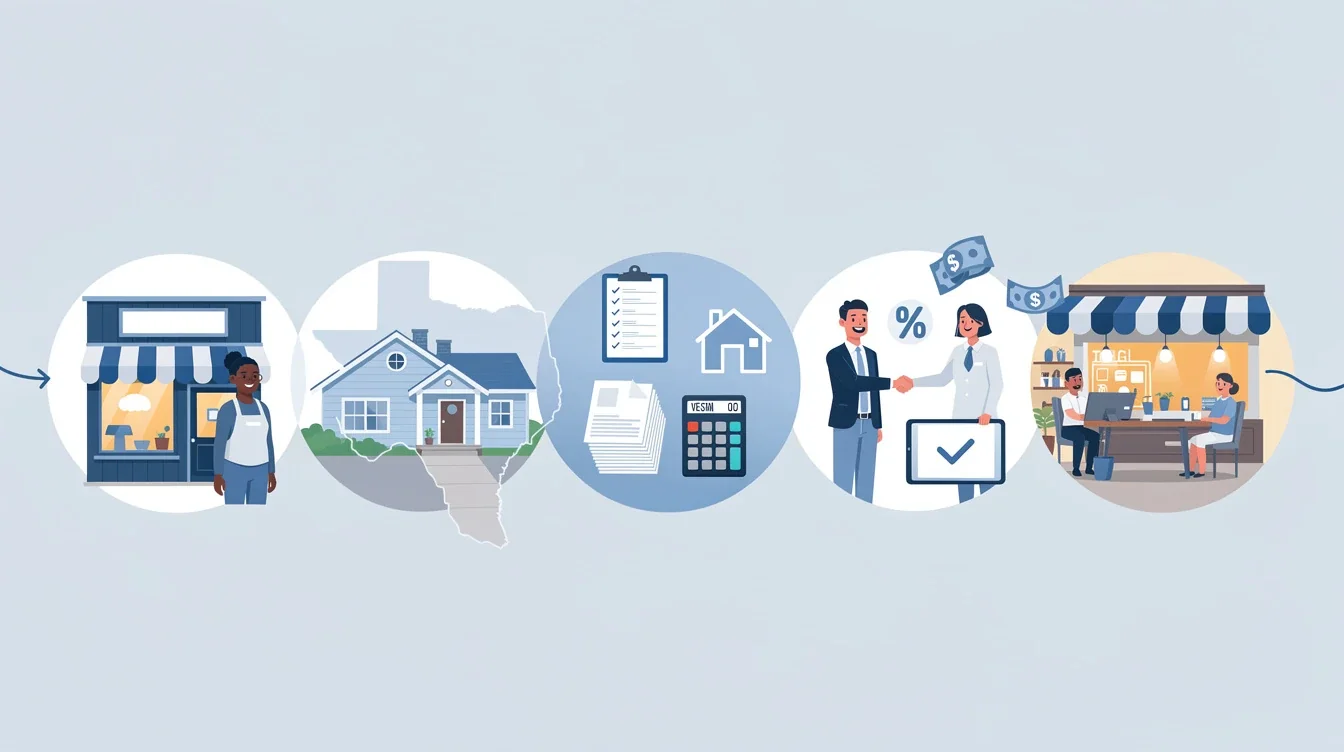
Texas has some of the strictest home equity lending laws in the country, designed to protect homeowners from losing their homes. These rules affect everything from how much you can borrow to how you can use the money.
One key Texas restriction: you can’t borrow more than 80% of your home’s value across all loans secured by your house, including your existing mortgage and any home equity loans. This keeps you from overleveraging your property. There are also specific guidelines around closing costs, which can’t exceed 2% of the loan amount (excluding certain fees like appraisals and title insurance).
Another Texas-specific rule is the “once-per-year” limit: you can only take out one home equity loan per 12-month period. This makes it important to plan your business’s cash needs carefully.
Pro tip: Work with a Texas-based lender who understands state-specific regulations. They’ll help you navigate the process and avoid any legal pitfalls.
Weighing Risks and Rewards
Tapping into your home’s equity isn’t a decision to make lightly. On the plus side, home equity loans offer lower interest rates and fixed monthly payments. You can get access to a large sum of cash quickly, which can be a lifeline for your business.
However, your house is on the line. If your business struggles and you can’t make the loan payments, you risk foreclosure. That’s a serious consequence, so it’s crucial to have a clear plan for how you’ll use the money and how you’ll pay it back.
Also, remember that this is a personal loan, not a business loan. The responsibility for repayment falls on you, not your business. If things don’t go as planned, your personal finances—and your family’s home—are affected.
Pro tip: Consider setting aside a portion of the funds as a safety net, or only borrow what you’re confident you can repay, even if business slows down.
How to Apply for a Home Equity Loan in Texas
Getting a home equity loan in Texas involves several steps, but it doesn’t have to be intimidating. Start by checking your credit score and gathering documentation like proof of income, recent tax returns, and details about your business if you plan to use the funds that way.
Next, shop around. Different lenders may offer different rates, terms, and fees. Local banks, credit unions, and mortgage companies are all worth considering. Once you’ve found a lender, you’ll usually go through an application and underwriting process, which includes an appraisal of your home and a review of your finances.
If you’re approved, you’ll sign the paperwork and receive your funds—all at once, or in some cases, via a home equity line of credit (HELOC) if you want more flexibility. Remember Texas rules: you can only have one home equity loan at a time, and you can’t refinance it for at least a year.
Pro tip: Be upfront with your lender about your plans to use the loan for your business. Some lenders may have specific requirements or advice for business-related uses.
Alternatives to Home Equity Loans
While home equity loans are a popular way for Texas business owners to access capital, they’re not the only option. If you’re hesitant to use your home as collateral, you might consider a business line of credit, a Small Business Administration (SBA) loan, or peer-to-peer lending. Each comes with its own pros and cons regarding interest rates, approval processes, and repayment terms.
Some business owners also look to personal loans or even borrowing from friends or family, though these options can be riskier or more expensive. Grants and crowdfunding are other creative ways to raise money without taking on debt, though they may require more time and effort.
Pro tip: Explore all your funding options before committing. Sometimes, a combination of smaller loans or grants can meet your needs without putting your home at risk.
Conclusion
For Texas small business owners, home equity loans can be a powerful tool to unlock the cash you need to grow, pivot, or weather a rough patch. They offer competitive rates and flexible uses, but they come with real risks, including the possibility of losing your home if things go south. By understanding the rules unique to Texas, weighing your options carefully, and having a solid plan for repayment, you can use your home equity wisely to build the business—and the future—you’ve dreamed of.
If you’re ready to take the next step, reach out to a knowledgeable lender or financial advisor who can help you navigate your options with confidence. Your home could be the key to your business’s next big leap—just make sure you unlock it wisely.