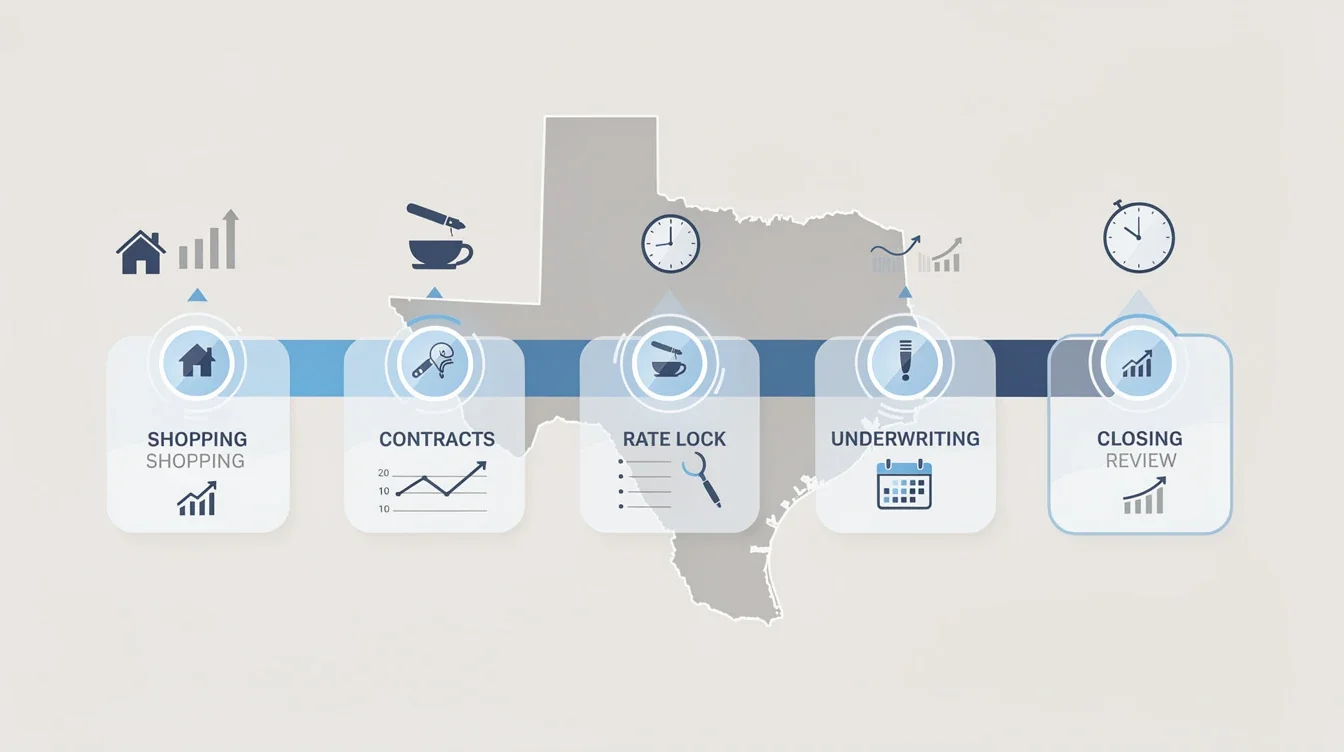
If you’re planning to buy a home in Texas in 2026, understanding how and when to lock in your mortgage rate could save you thousands of dollars and set your mind at ease during the homebuying process. At HudsonSullivan, we know this part of the process can feel overwhelming—especially with all the buzz around interest rates, market predictions, and closing timelines. So let’s break down everything you need to know about the Texas mortgage rate lock timeline for 2026, so you can make confident, informed decisions.
What Is a Mortgage Rate Lock?

Let’s start with the basics: a mortgage rate lock is essentially your lender’s promise to hold a specific interest rate for you for a set period, regardless of any market fluctuations. This means that even if rates go up before you close on your new Texas home, you’re protected. It’s your shield against the unpredictable ups and downs of the financial world, making your budgeting process a lot more predictable.
You’ll typically encounter rate lock periods in chunks like 30, 45, or 60 days, though some lenders offer even longer options. The exact timing and duration that works best for you will depend on your closing timeline, the complexity of your transaction, and your own comfort level with risk.
Pro tip: Before locking, always ask your lender about the cost (if any) to extend your rate lock in case your closing is delayed.
Why Timing Matters: The Rate Lock Timeline
Securing your mortgage rate at just the right moment can make a substantial difference in your monthly payments—and your peace of mind. But when should you actually lock in your rate? The answer is: it depends on where you are in the homebuying process and what’s happening in the market.
Most homebuyers in Texas choose to lock their rate after their offer is accepted but before their loan is fully approved. This period is when you’ll want to be in close contact with your lender, watching the market, and weighing your options. The general rule of thumb is to lock in your rate once you’re confident you’ll be able to close within the lock period. If you lock too early, you risk paying an extension fee if the process drags out. If you wait too long, you could miss out on today’s lower rates.
Looking ahead to 2026, experts anticipate some continued volatility in the interest rate market as Texas’s housing demand remains strong. Staying informed and proactive will be more important than ever.
Pro tip: Set calendar reminders for key deadlines in your home purchase and loan process, so you don’t miss the ideal window to lock your rate.
How Long Should You Lock For?
Choosing the right lock duration is a bit of an art. The most common choices are 30, 45, or 60 days, but some lenders offer shorter or longer periods. Here’s what you need to consider when choosing your timeline:
- 30-day lock: Often the least expensive option, but you’ll need a fast, predictable closing process.
- 45-day lock: Gives you a bit more breathing room, great for standard transactions with some wiggle room.
- 60-day lock: Offers the most flexibility if your transaction is more complex or you anticipate delays.
In Texas, where home inspections, appraisals, and title work can sometimes take longer than expected, it’s often safer to choose a slightly longer lock period—especially in busy seasons or with new construction.
Remember, the longer the lock, the higher the potential cost. Some lenders may offer a “free” lock for a set period, but charge for extensions or longer locks.
Pro tip: Ask your lender for a “float down” option, which lets you take advantage of lower rates if they drop after you’ve locked in.
What If You Need to Extend Your Rate Lock?
Life is unpredictable. Maybe an inspection turns up repairs that need to be negotiated, or your appraisal takes longer than expected. If you’re pushing up against your rate lock expiration, you’ll need to know your options.
Most Texas lenders offer extensions, but they usually come at a price—sometimes a flat fee, other times a small percentage of your loan amount. Occasionally, your lender may be willing to extend your rate lock at no cost, especially if the delay was on their end. It’s always worth asking.
If you know early on that your closing could be delayed (for example, with new construction), it’s smart to discuss extended rate lock programs with your lender. Some programs offer locks of 90, 120, or even 180 days, designed specifically for longer timelines.
Pro tip: Communicate early and often with your lender and real estate agent to spot any delays as soon as possible.
Texas Market Trends and 2026 Outlook
Every year is a little different in the Texas real estate world, and 2026 is shaping up to be no exception. With the state’s population growth and sustained demand for housing, mortgage rates may see some ups and downs. National economic factors, Federal Reserve decisions, and local market trends all play a role.
If you’re buying in a competitive market like Austin, Dallas, or Houston, the pressure to move quickly can be intense. In these markets, lenders may offer special lock programs or incentives to keep buyers on track. If you’re looking in smaller towns or rural areas, the process may be a bit slower, but the same principles apply.
Staying in close contact with your lender and real estate agent will help you navigate any market shifts. Don’t be afraid to ask questions about current trends, predictions for the next few months, and how you can best protect yourself.
Pro tip: Watch for major economic announcements (like Federal Reserve meetings), which can cause sudden rate changes.
Steps to a Smooth Texas Rate Lock
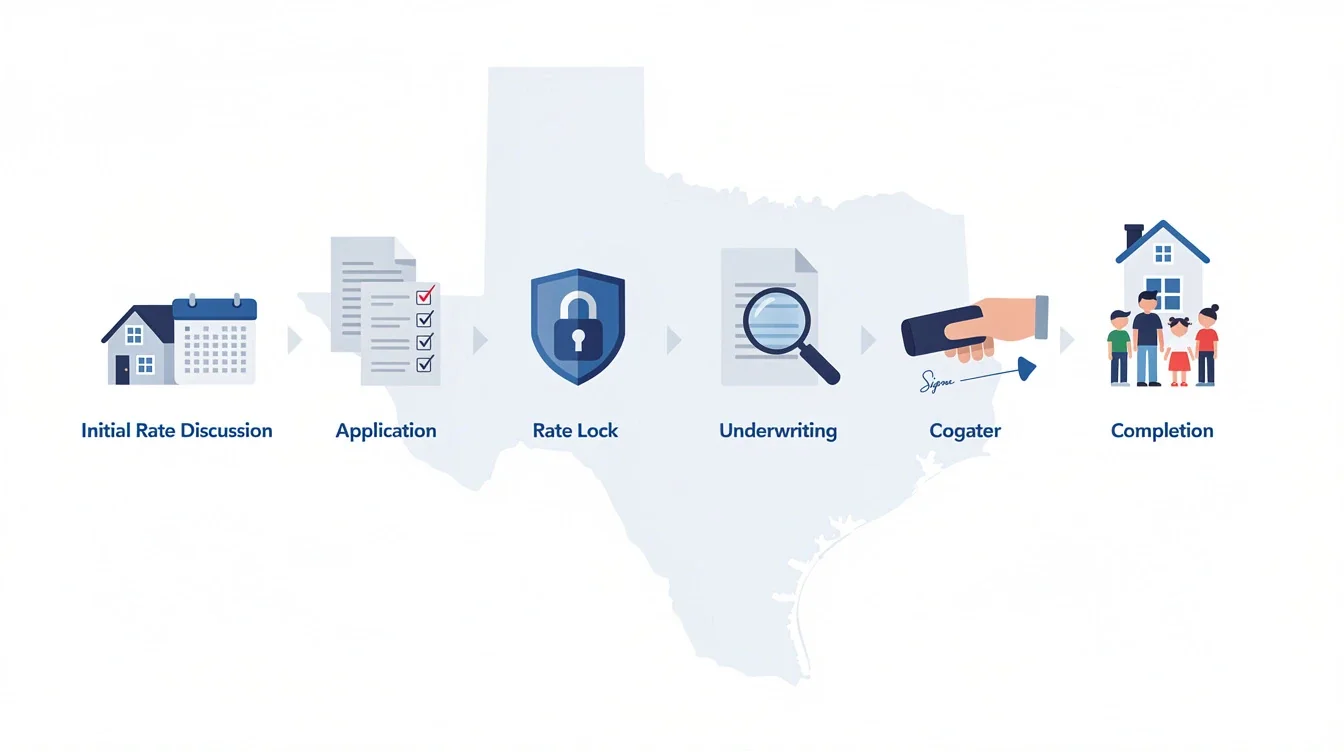
Ready to lock in your mortgage rate? Here’s a quick walkthrough of the process, tailored for Texas buyers:
- Get pre-approved: This is your first step, so you know what you can afford and how soon you can move.
- Find your home and make an offer: Once your offer is accepted, the real fun begins.
- Apply for your loan: Work closely with your lender to finalize your loan application and gather necessary documents.
- Choose your rate lock: Based on your anticipated closing date, decide on the lock duration that fits your situation.
- Monitor your progress: Stay on top of inspections, appraisals, and title work to avoid unnecessary delays.
- Close on your home: Celebrate—you made it!
Texas’s real estate scene can move fast, but with the right team and a clear plan, you’ll be ready to lock in your rate at just the right time.
Pro tip: Always double-check your closing timeline with your lender before locking, especially if there are any holidays or local events that could slow things down.
Conclusion
Navigating the mortgage rate lock process in Texas doesn’t have to be stressful or confusing. By understanding the basics, staying in close communication with your lender, and keeping an eye on the market, you’ll be well-equipped to secure the best possible rate for your new home in 2026. At HudsonSullivan, we believe that a little knowledge goes a long way—and we’re here to help you every step of the way. Whether you’re a first-time buyer or a seasoned homeowner, locking in your rate at the right time can make your Texas homebuying journey smoother and more rewarding. Happy house hunting!