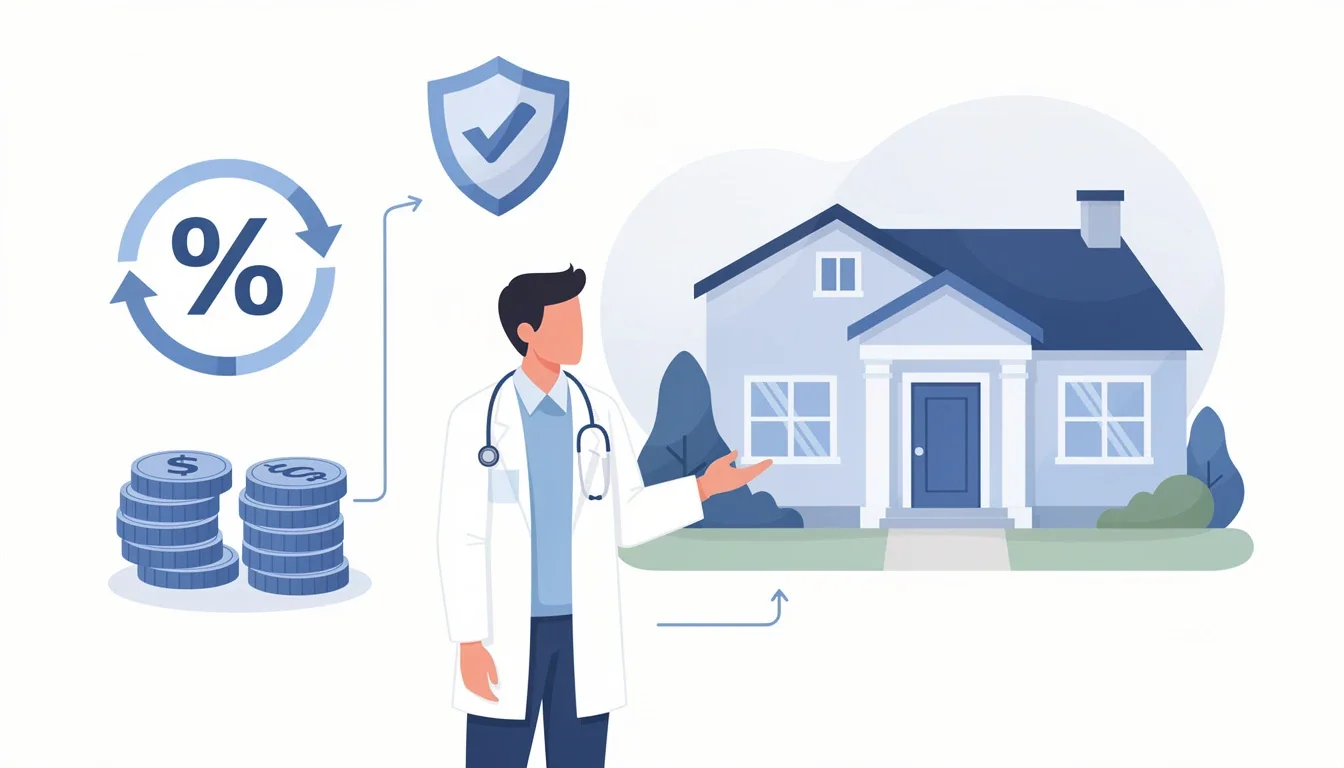
Buying a home as a doctor comes with its own unique set of challenges. After years of school, you might have a high student loan balance, limited savings, and possibly a new job in a new city. At the same time, lenders recognize that doctors are among the most reliable borrowers over the long run. That’s where doctor mortgage loan programs come in—special home loan products designed to help medical professionals become homeowners sooner and with fewer obstacles. If you’re a physician or about to become one, let’s explore how these specialized loans could work for you.
What Are Doctor Mortgage Loans?

Doctor mortgage loans, sometimes called physician loans, are home loan programs created specifically for medical professionals. Unlike conventional mortgages, these loans consider the unique financial circumstances of doctors—like high student debt and possible gaps in employment due to residency or fellowship.
Typically, doctor mortgage loans allow for low or even zero down payments and offer more forgiving debt-to-income ratio calculations. They often don’t require private mortgage insurance (PMI) even with a smaller down payment. The idea is to recognize your future earning potential and long-term job security as a doctor, making it easier to qualify for a mortgage early in your career.
Pro tip: If you’re just finishing residency or starting your first job, many lenders will let you use an employment contract as proof of income—even if you haven’t received your first paycheck yet!
Who Qualifies for These Loans?
Doctor mortgage loan programs are tailored for a specific group of professionals. While rules vary by lender, these programs are typically open to:
- Medical Doctors (MD)
- Doctors of Osteopathy (DO)
- Dentists (DDS, DMD)
- Veterinarians (DVM)
- Sometimes other medical professionals, like podiatrists and optometrists
It’s important to note that not every lender includes every medical profession, so you’ll want to check eligibility before applying. Some programs extend to residents, fellows, and newly graduated doctors, making it easier to buy a home while you’re still building your career.
Pro tip: Even if you’re still in residency, you may qualify for a doctor mortgage loan. Don’t assume you need years of experience—ask lenders about their specific requirements for training doctors.
Key Benefits of Doctor Mortgage Loans
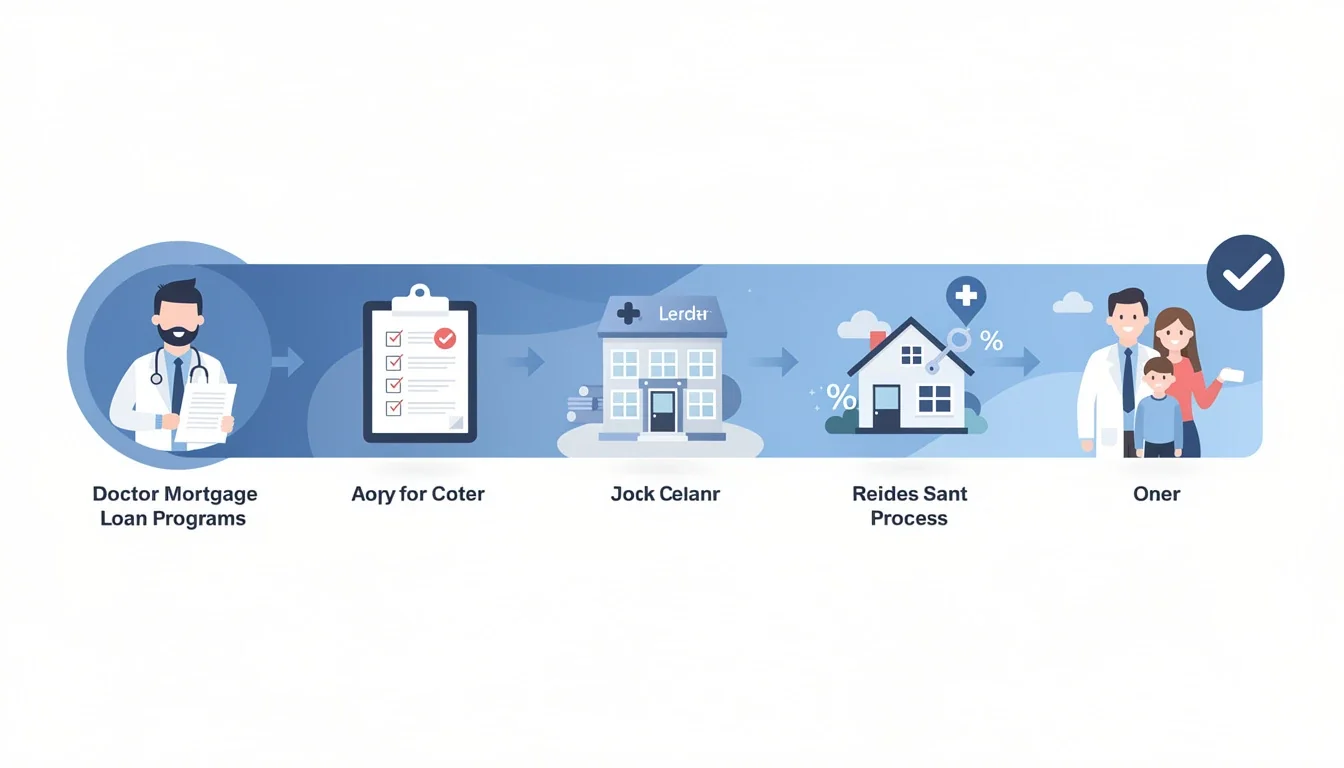
Doctor mortgage loans come packed with perks designed to make homeownership accessible to medical professionals. Here’s a closer look at the major benefits:
First, the down payment requirement is often much lower than with traditional mortgages—sometimes as little as 0-5%. That means you can reserve your savings for other priorities, like moving costs or paying down student loans.
Second, many of these loans don’t require PMI, even if your down payment is below 20%. Skipping PMI can save you hundreds each month.
Third, lenders tend to be more flexible about debt-to-income ratios. They know student loans are a reality for doctors, and physician loan programs typically don’t count all of your student debt against you, especially if you’re in an income-driven repayment plan.
Finally, these programs allow you to use a signed employment contract as proof of income, which is a huge advantage if you’re relocating for a new job and haven’t started earning yet.
Pro tip: Not having to pay PMI can save you tens of thousands of dollars over the life of your loan—be sure to compare physician loans to conventional loans to see which is the better deal for your situation.
Potential Drawbacks to Consider
While doctor mortgage loans offer serious benefits, there are a few trade-offs to keep in mind. For starters, interest rates on these loans can sometimes be slightly higher than conventional mortgages. That’s the price you pay for the added flexibility and lower down payment.
Additionally, because these loans are designed for primary residences, you generally can’t use them to buy investment properties or vacation homes. You’ll need to occupy the home as your main address.
And while lenders are more forgiving about student debt, they’ll still assess your overall financial profile. If you have a history of missed payments or other credit issues, it may impact your eligibility or the terms of your loan.
Pro tip: Even with a doctor mortgage, shop around and get quotes from multiple lenders. Rates, fees, and eligibility requirements can vary widely, so don’t settle for the first offer you receive.
How to Apply for a Doctor Mortgage Loan
The application process for a doctor mortgage loan is similar to other home loans but with a few helpful differences. You’ll start by gathering documents that show your medical license, proof of employment or an employment contract, and personal financial information.
When you apply, the lender will examine your credit score, debt-to-income ratio, and employment situation. If you’re early in your career or still in training, be prepared to provide documentation about your residency or fellowship status.
It helps to talk with lenders who specialize in doctor mortgages, as they’re familiar with the nuances of medical careers and can guide you through the process efficiently. They’ll also help you compare the doctor loan to other mortgage options to ensure you’re making the best choice.
Pro tip: If you’re moving for a new job, ask your new employer if they have relationships with local lenders or offer relocation assistance—it could save you time and money.
Choosing the Right Program for You
With several lenders offering doctor mortgage programs, it’s important to find the one that fits your needs. Consider factors like:
- Minimum down payment requirements
- Whether they count all or part of your student loans in debt calculations
- Interest rates and closing costs
- Whether PMI is required
- Maximum loan amounts
Don’t be afraid to ask questions and negotiate. Some lenders may be willing to offer better rates or terms if you’re a strong candidate, especially if you have a healthy credit score and steady employment.
Pro tip: Make a checklist of your priorities—like lowest down payment, no PMI, or fastest closing—and use it to compare lenders side by side. The right fit is out there!
Related Articles
Conclusion
Doctor mortgage loan programs are a lifeline for many medical professionals, offering a path to homeownership that respects the realities of your training, career, and financial situation. By understanding how these loans work, what they offer, and what to watch out for, you’ll be empowered to make smart decisions about your home purchase. Whether you’re just starting residency or moving into your dream home after years of practice, a doctor mortgage loan could be your key to a smoother, more affordable home buying journey. Happy house hunting from your friends at hudsonsullivan!