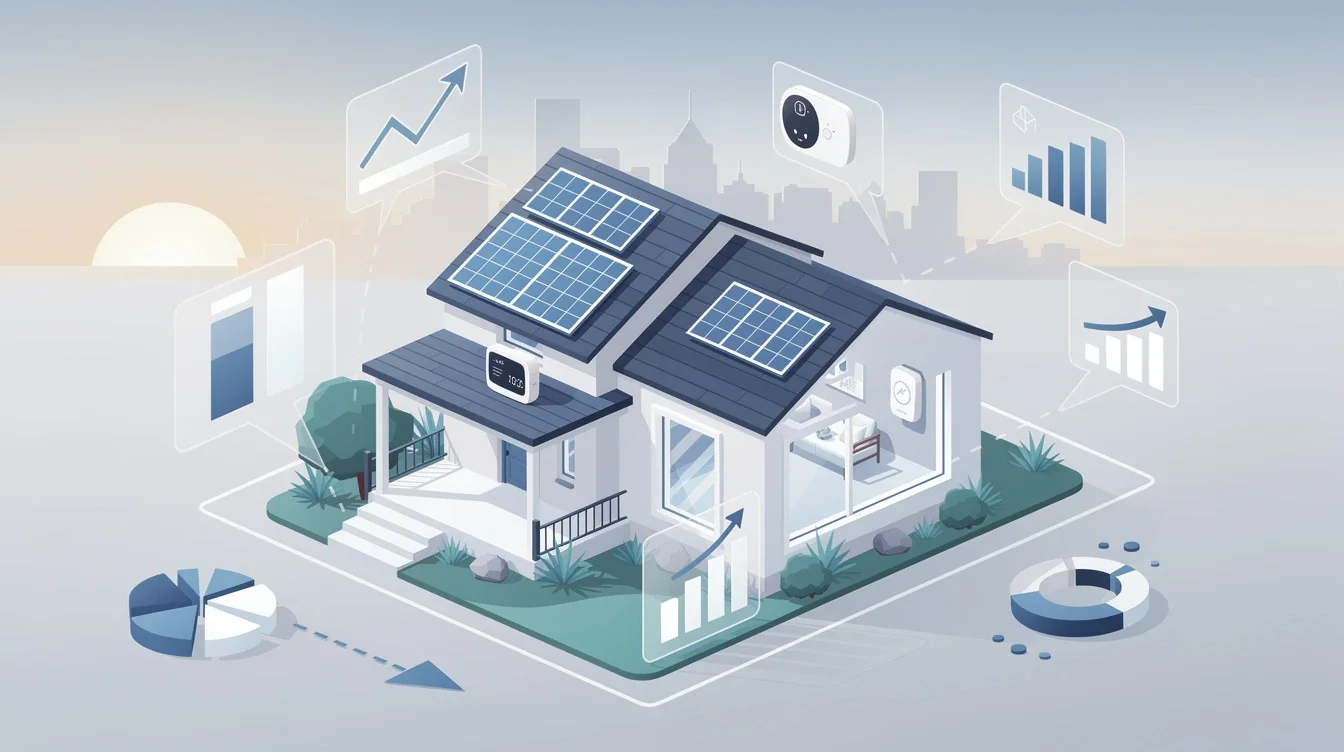
If you've ever dreamed of owning a home in the Dallas-Fort Worth area, you've probably already noticed the region's dynamic real estate market and diverse housing options. But have you considered how energy efficiency can help you save money and increase your comfort—right from the start? Energy efficient mortgages (EEMs) are a little-known but powerful tool that can help you finance an energy-smart home or upgrade your current one. In this guide, we'll walk you through what EEMs are, how they work in DFW, and why they're worth considering for your next move. Whether you're a first-time buyer or a seasoned homeowner, HudsonSullivan is here to make sure you have all the information you need to make an informed, confident decision.
What’s an Energy Efficient Mortgage?
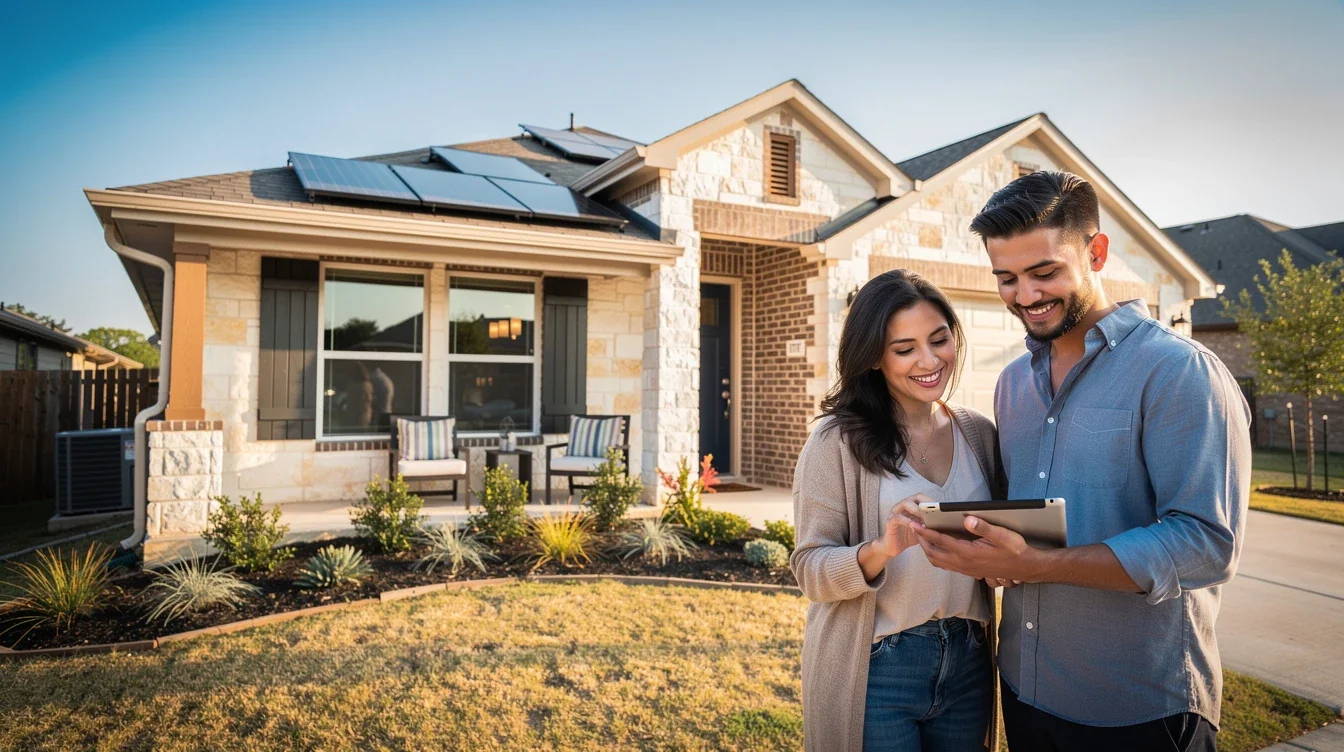
An energy efficient mortgage (EEM) is a special home loan that lets you finance energy-saving improvements as part of your mortgage. Whether you're buying a new home or refinancing your current place, EEMs can help you bundle the cost of upgrades—like better insulation, efficient windows, or a new HVAC system—into your loan. This means you can make your home more comfortable and save money on utility bills, all without a big upfront investment.
There are a few types of EEMs available, including options backed by FHA, VA, and conventional lenders. Each has its own set of requirements, but they all share the same core idea: rewarding energy-conscious homeowners by making it easier to invest in efficiency.
Pro tip: When you apply for an EEM, you'll usually need an energy assessment (sometimes called a HERS report) to estimate the potential savings from your planned upgrades. This report will help both you and your lender understand the value of your improvements.
Why DFW Homeowners Should Care
The Dallas-Fort Worth area is known for its hot summers, occasional winter freezes, and ever-increasing energy costs. That makes energy efficiency more than just a buzzword—it's a smart move for your wallet and your comfort. In fact, DFW homes can see substantial savings from basic upgrades like better insulation, efficient HVAC, or solar panels.
Many local homeowners don't realize that EEMs can also help you qualify for a larger loan amount. That's because lenders know that lower utility bills mean you can comfortably afford a slightly higher mortgage payment. Plus, energy-efficient homes often have higher resale values, making them a solid long-term investment.
Pro tip: If you're house hunting in DFW, ask your realtor about homes with existing energy-efficient features. You might be able to use an EEM to add even more improvements after you move in!
How Energy Efficient Mortgages Work
The process for getting an EEM is surprisingly straightforward. First, you'll need to qualify for a traditional mortgage, either to purchase or refinance your home. Once that's in place, you'll work with a certified energy assessor who'll inspect your property and identify potential upgrades. The assessor will estimate how much these improvements could save you on energy costs each year.
Your lender will then review the assessment and determine how much extra you can borrow for the upgrades. The best part? The extra money for improvements is rolled into your primary mortgage, so you won't have to juggle separate loans or credit lines.
Once your loan closes, you'll have a set period (often 3-6 months) to complete the upgrades. The lender may require proof, such as receipts or a follow-up inspection, before finalizing the process.
Pro tip: Make sure to work with contractors who are familiar with energy-efficient installations and can provide the proper documentation. This will make the process smoother and ensure you get the full benefit of your EEM.
Popular Upgrades and Their Benefits
What kinds of improvements can you finance with an EEM in DFW? The possibilities are broad, but some of the most common include:
High-efficiency HVAC systems
Insulation and air sealing
Double- or triple-pane windows
Energy Star appliances
Solar panels or solar water heaters
Smart thermostats
These upgrades do more than just lower your energy bills. They can make your home more comfortable year-round, improve indoor air quality, and reduce your carbon footprint. In a hot Texas summer, better insulation and a high-efficiency AC can mean the difference between a sweaty afternoon and a cool, relaxing retreat.
Pro tip: Prioritize improvements that give you the best "bang for your buck." Your energy assessor can help you target upgrades with the highest potential savings.
Navigating the Application Process
Applying for an EEM isn’t all that different from a standard mortgage, but there are a few extra steps to keep in mind. After you’ve chosen a lender who offers EEMs (not every lender does, so ask upfront), you’ll go through the typical pre-approval and home selection process. Once you’ve found a home, the energy assessment will determine which upgrades make sense and how much they’ll cost.
Your lender will use the report to decide how much additional financing you qualify for. It’s important to communicate clearly with your lender, realtor, and contractor throughout this process. They’ll all need to be on the same page to ensure timelines and documentation line up with your loan requirements.
Don’t be afraid to ask questions! A good lender will walk you through each step and make sure you understand how the EEM will impact your monthly payment, closing costs, and overall budget.
Pro tip: Keep all receipts, contracts, and reports handy. You may need to share them with your lender or tax advisor down the line.
Is an Energy Efficient Mortgage Right for You?
EEMs aren’t for everyone, but they’re a great fit if you want to buy an older home and modernize it, or if you’re looking to boost your current home’s comfort and value. They’re especially useful in DFW, where extreme weather and rising utility costs make energy efficiency a top priority.
It’s worth considering your long-term plans, too. If you see yourself staying in your home for several years, the savings from lower energy bills can really add up. Plus, as more buyers look for eco-friendly features, your upgrades could make your house stand out if you decide to sell.
Of course, every homeowner’s situation is unique. The best way to know if an EEM is right for you is to talk to an experienced lender and get a personalized assessment.
Pro tip: Even if you decide not to use an EEM, many local utility companies offer rebates or incentives for energy-efficient upgrades. It’s always worth exploring all your options!
Conclusion
Energy efficient mortgages are one of the smartest, most practical ways to make your DFW home more comfortable, affordable, and future-proof. By rolling the cost of upgrades into your mortgage, you can enjoy immediate benefits without a hefty upfront investment. If you’re ready to explore your options or have questions about EEMs in the Dallas-Fort Worth area, reach out to the experts at HudsonSullivan. We’re here to help you navigate every step of the journey toward a greener, more efficient home. Your dream home—and lower utility bills—are closer than you think!