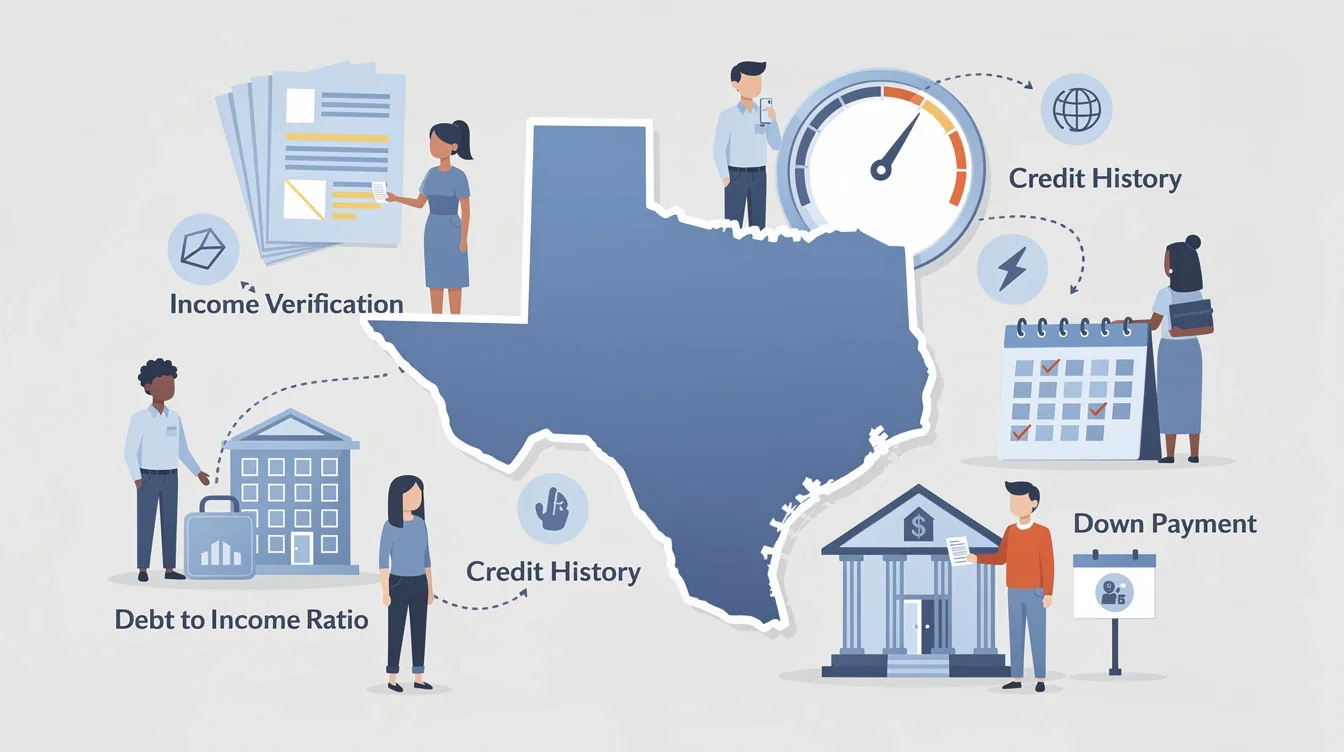
Buying a home in Texas is a dream for many, but the road to homeownership often starts with one key step: securing a mortgage. Yet, even the most prepared buyers can find themselves tripped up by the mortgage approval process. If you’re planning to buy in the Lone Star State, you might already know that lenders look at far more than just your income. From credit hiccups to paperwork headaches, there are hurdles unique to Texas buyers. At HudsonSullivan, we want to help you anticipate and overcome these challenges—so you can focus on finding your perfect home.
Credit Score Setbacks

A healthy credit score is the backbone of any successful mortgage application. In Texas, as elsewhere, lenders use your credit score to gauge how risky you might be as a borrower. Unfortunately, many buyers discover issues with their credit only after starting the mortgage process. Maybe you’ve missed a payment or racked up more credit card debt than you realized. Or perhaps there’s a mistake on your credit report dragging down your score.
Even if your credit is solid, Texas’s rapid growth means competition is fierce. Lenders may prioritize buyers with stellar credit, making it even tougher for those with scores in the “fair” range to get approved or land the best rates.
Pro tip: Before you start house hunting, pull your credit report from all three major bureaus and review it carefully. Dispute any errors and pay down high balances to boost your score.
Debt-to-Income Ratio Roadblocks
Your debt-to-income ratio (DTI) is a critical number that shows lenders how much of your monthly income goes toward paying debts. In hot Texas markets like Austin, Dallas, or Houston, where home prices have surged, it’s easy for buyers to get stretched thin. Even if you earn a good salary, high student loans, car payments, or credit card balances can push your DTI above acceptable limits.
If your DTI is too high, lenders may worry that you can’t handle additional debt from a mortgage. This can lead to smaller loan offers or outright denials, putting your dreams of Texas homeownership on hold.
Pro tip: Try to pay off or pay down as much debt as possible before applying for a mortgage. Even small reductions in your monthly obligations can make a big difference in your approval odds.
Down Payment Difficulties
Saving for a down payment can feel like an uphill battle, especially as Texas home prices continue to climb. While there are programs that allow for lower down payments, many lenders and sellers in Texas prefer buyers who can put down at least 20%. This not only lowers their risk but also helps you avoid private mortgage insurance (PMI), which can add hundreds to your monthly payment.
First-time buyers often underestimate how much they’ll need for upfront costs. Closing costs, inspections, and moving expenses can quickly eat into your savings, leaving you short on your down payment at the last minute.
Pro tip: Consider setting up a dedicated savings account just for your home purchase. Automate your savings to make consistent progress, and research Texas-specific assistance programs that may help with down payment or closing costs.
Employment and Income Issues
Stable, verifiable income is another cornerstone of mortgage approval. In Texas’s dynamic job market, however, not everyone fits the mold of a traditional, salaried employee. Self-employed buyers, contract workers, or those with variable income streams often face extra scrutiny from lenders.
Lenders want to see steady income over at least two years, and any recent job changes or gaps in employment can raise eyebrows. Even a promotion or move to a new employer might require additional documentation, slowing down your approval.
Pro tip: If you’re self-employed or have non-traditional income, start gathering tax returns, bank statements, and client contracts well in advance. The more documentation you can provide, the smoother your approval process will be.
Paperwork and Documentation Delays
The mortgage process in Texas involves a mountain of paperwork. Lenders will ask for pay stubs, tax returns, bank statements, and more. Missing or incomplete documentation is one of the most common reasons for delays or denials.
Some buyers are caught off guard by requests for extra paperwork—especially if they’ve recently changed jobs, made large deposits, or received gift funds. Each of these situations can trigger extra questions from your lender.
Pro tip: Stay organized by keeping digital copies of your key financial documents in one place. Respond promptly to requests from your lender, and don’t be afraid to ask your loan officer for a checklist of everything you’ll need.
Appraisal and Property Surprises
Even if you’re financially rock-solid, the property itself can cause mortgage headaches. If the home appraisal comes in lower than your offer, your lender may not approve the full loan amount, leaving you to make up the difference or renegotiate. In Texas, where bidding wars are common, this scenario happens more than you might think.
Additionally, certain property types—like manufactured homes, fixer-uppers, or rural properties—may not qualify for all loan types. Some lenders have stricter requirements for homes outside city limits or for properties with recent renovations.
Pro tip: Work closely with your real estate agent to understand the property’s condition and value before making an offer. Ask your lender about any property restrictions early in the process to avoid surprises.
Unique Texas Challenges
Texas is unique in many ways, and some local factors can complicate mortgage approval. For instance, Texas is a community property state, which can affect how debt and income are calculated if you’re married. Property taxes and homeowners insurance costs can also be higher than expected, impacting your monthly payment and affordability.
Finally, with Texas’s frequent natural disasters—such as hurricanes, floods, and hailstorms—lenders may require extra insurance coverage. This can increase your upfront costs or cause delays if insurance providers need extra time to issue policies.
Pro tip: Work with a local lender who understands the nuances of the Texas market. They’ll be better equipped to guide you through state-specific requirements and help you avoid last-minute snags.
Conclusion
Securing a mortgage in Texas comes with its own set of challenges, but none are insurmountable with preparation and the right team by your side. By understanding common issues—from credit score hiccups to local quirks—you’ll be better equipped to navigate the process and land the loan you need. At HudsonSullivan, we believe every Texas buyer deserves a smooth, stress-free path to homeownership. With some planning, a little patience, and expert guidance, you’ll be unlocking your new front door in no time.