Buying a home in Texas is an exciting milestone, but it also comes with its fair share of challenges—especially when it comes to finances. If you’re eyeing 2026 as your year to make the leap, you might have already heard some buzz about new and existing homebuyer tax credits. At HudsonSullivan, we know how confusing it can be to navigate these incentives, so we’ve put to gether this comprehensive guide. Whether you’re a first-timer or looking to upgrade, we’ll help you understand how these credits work, who qualifies, and how to make the most of every dollar.
Understanding Homebuyer Tax Credits

Homebuyer tax credits are government incentives designed to lighten the financial load when you purchase a home. They work by reducing the amount of taxes you owe—sometimes even offering direct rebates—making homeownership more accessible. For Texans, there are both federal and state-level credits and programs that can make a real difference, especially as we look ahead to 2026.
While the specifics of tax credits can change with new legislation, the overall goal remains the same: to boost homeownership, support local economies, and help families build wealth. In 2026, Texas homebuyers will likely see a mix of tried-and-true programs alongside new initiatives tailored to the state’s unique market.
Pro tip: Stay in touch with your local real estate agent and HUD-certified counselors—they’re often the first to hear about new programs and can help you navigate the paperwork.
Who Qualifies for Tax Credits in Texas?
The good news is that many homebuyer tax credits are designed with accessibility in mind, targeting first-time buyers, veterans, and those with moderate incomes. However, each program comes with its own requirements, and it’s important to know where you stand before you start house-hunting.
Typically, to qualify for a Texas homebuyer tax credit in 2026, you’ll need to meet criteria like:
- Being a first-time homebuyer (defined as not owning a primary residence in the last three years)
- Meeting certain income and purchase price limits, which vary by county
- Using the home as your primary residence (investment properties usually don’t qualify)
- Completing an approved homebuyer education course
Texas also has programs specifically for teachers, first responders, and veterans, so don’t hesitate to ask if your profession opens up additional opportunities.
Pro tip: If you’re close to the income threshold, ask your lender about deductions and credits—they might help you qualify for programs you thought were out of reach.
Spotlight on 2026 Programs
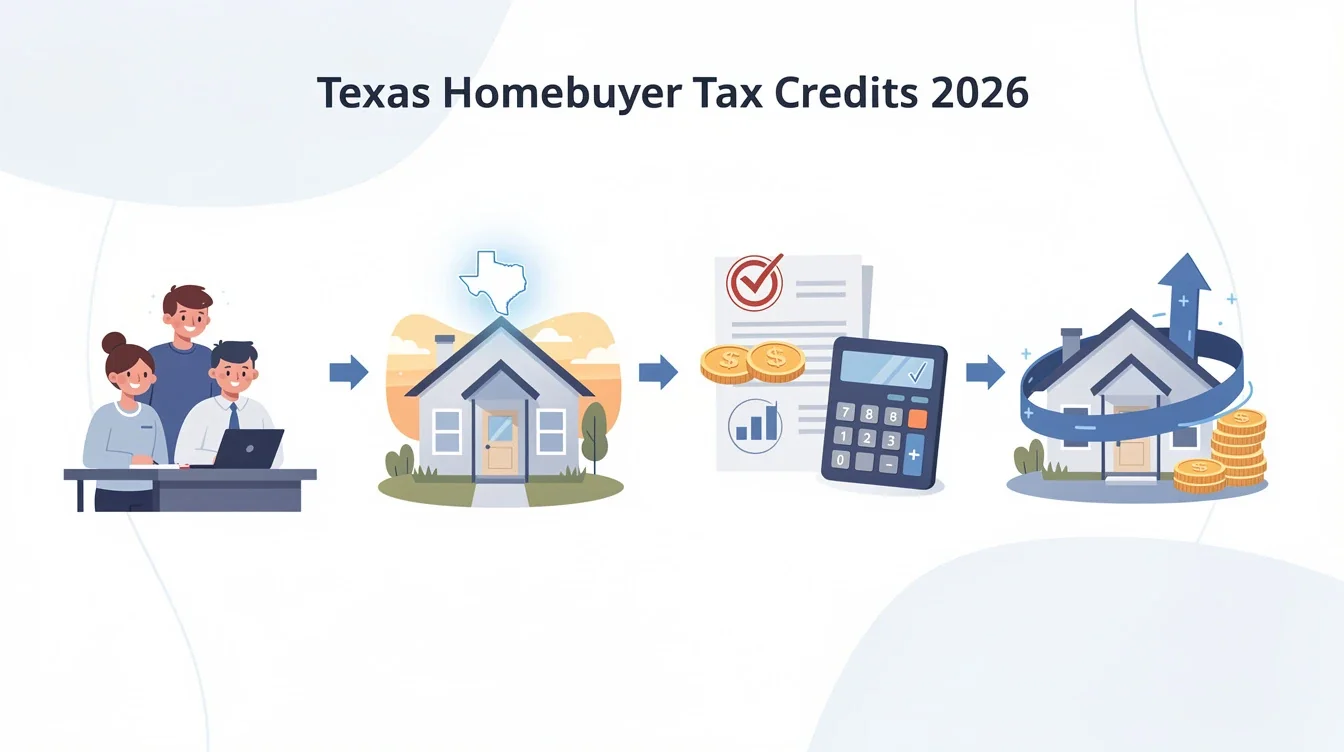
While some details for 2026 are still being finalized, early indicators suggest a robust menu of tax credits and assistance programs for Texas homebuyers. Here’s a look at what you can expect:
Federal Tax Credits: The federal government is expected to continue offering credits for first-time buyers, such as the popular “First-Time Homebuyer Act” or similar initiatives. These credits could be worth several thousand dollars and are typically applied when you file your federal tax return.
Texas-Specific Credits: The Texas Department of Housing and Community Affairs (TDHCA) will likely maintain its Mortgage Credit Certificate (MCC) program, which allows you to claim a portion of your mortgage interest as a dollar-for-dollar credit against your federal tax liability. There may also be new state-level pilot programs or expanded benefits for buyers in underserved areas.
Down Payment Assistance: While not strictly a tax credit, many Texas programs offer down payment and closing cost help, which can free up your cash flow and help you qualify for a mortgage.
Pro tip: Combine tax credits with down payment grants for maximum savings—many programs can be stacked if you meet the requirements.
How to Apply for Homebuyer Tax Credits
Applying for these credits can seem daunting, but it’s actually pretty straightforward once you know the steps. Here’s how most buyers can get started in Texas:
- Connect with an Approved Lender: Not all lenders participate in every program, so choose a mortgage provider familiar with Texas homebuyer credits and assistance.
- Complete Homebuyer Education: Most programs require an approved homebuyer education course. These are often available online and can be completed in a few hours.
- Submit Required Documentation: You’ll need to provide proof of income, tax returns, and information about the property you’re purchasing.
- Apply for the Program: Your lender will guide you through the application and help you claim the credits when you file your taxes.
It’s important to start this process early—some credits are limited and awarded on a first-come, first-served basis. And don’t forget to keep copies of all your paperwork, as you’ll need them to claim your credits at tax time.
Pro tip: Ask your lender to walk you through a “mock” application before you start the actual process—this helps you spot any missing documents or eligibility issues in advance.
Common Mistakes and How to Avoid Them
Even the most diligent homebuyers can run into snags with tax credits. Here are some common pitfalls we see at HudsonSullivan—and how you can steer clear:
- Missing Deadlines: Many programs have strict timelines, especially around closing. Mark important dates on your calendar and set reminders.
- Overlooking Local Programs: Some counties and cities offer additional incentives that can be combined with state and federal credits. Always check local housing authority websites or ask your agent.
- Assuming You Don’t Qualify: Even if your income is on the higher side, you might still be eligible for credits or assistance. Always double-check, as limits change frequently.
- Forgetting to File: Tax credits must be claimed when you file your taxes—don’t assume your lender or agent will do it automatically.
Pro tip: Schedule a meeting with a tax professional before closing—they can help you maximize your credits and avoid unpleasant surprises at tax time.
Planning Ahead for 2026
The Texas real estate market is always evolving, and so are the incentives available to buyers. If you’re planning to purchase a home in 2026, now’s the perfect time to start researching and preparing. Here’s how:
- Monitor Legislative Updates: Federal and state lawmakers can introduce new tax credits or tweak existing ones at any time. Stay informed through reputable news sources or real estate professionals.
- Build Your Financial Profile: Boost your credit score, save for a down payment, and keep your debt-to-income ratio in check—these steps can help you qualify for more programs.
- Connect with Local Experts: Real estate agents, mortgage lenders, and HUD counselors are invaluable resources. They can alert you to new programs, help you compare options, and ensure you don’t miss out on savings.
Pro tip: Start a dedicated folder (digital or paper) for all your homebuying documents and program information—organization is your secret weapon!
Conclusion
Navigating the world of Texas homebuyer tax credits can feel overwhelming, but with the right information and a little preparation, you can make the most of what 2026 has to offer. From federal incentives to Texas-specific programs, there are real opportunities to save thousands and make homeownership more attainable. At HudsonSullivan, we encourage you to start planning early, lean on trusted experts, and never hesitate to ask questions. Your dream home in the Lone Star State might be closer—and more affordable—than you think.